THE GAP
Standard TV is narrow
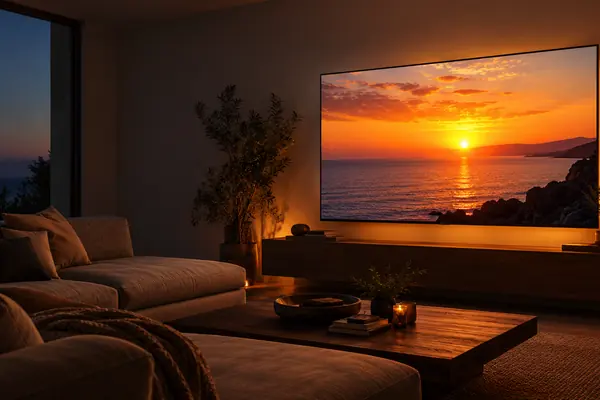
BBC R&D says conventional 8-bit SDR television has a displayed dynamic range of about 32:1, or 5 stops. HDR is designed to go well beyond that.
Compare the ranges highdefreview
Start
WHAT THE STANDARDS SAY
4K is about more pixels. HDR is about better light.
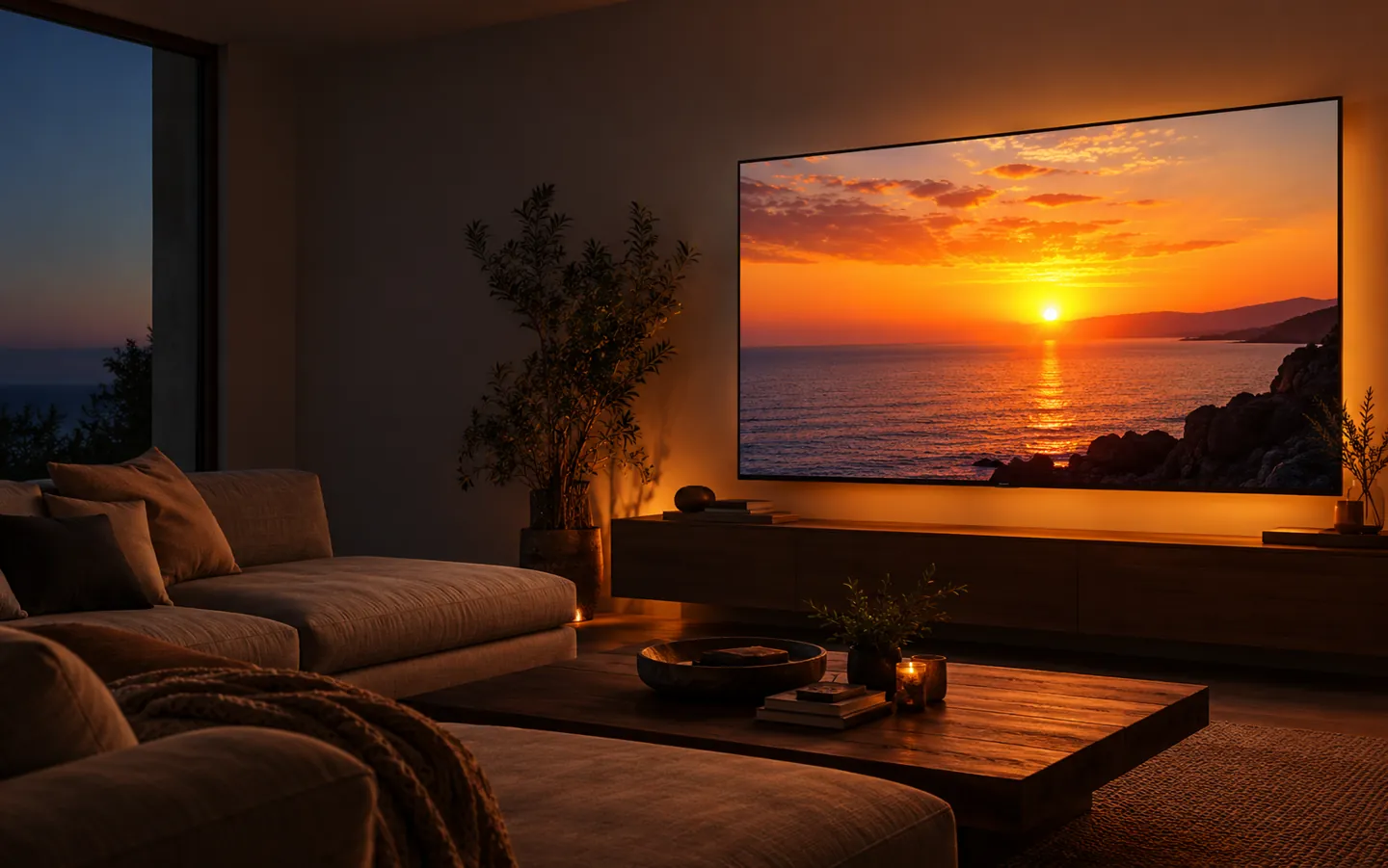
High dynamic range widens the gap between the darkest and brightest parts of a picture, so sunlight glints and shadows keep their detail. Two formats in one international standard do it in very different ways.
STOPSnot pixels
Compare the rangesKeep in mind
THE SHORT ANSWER
Each stop is a doubling of brightness.
HDR adds many stops to what standard TV can show.
THE GAP
BBC R&D says conventional 8-bit SDR television has a displayed dynamic range of about 32:1, or 5 stops. HDR is designed to go well beyond that.
Compare the rangesTHE UNITS
Absolute brightness on screen is measured in candelas per square metre, also called nits. The PQ format describes every pixel in these units.
See the numbersTHE FORMATS
ITU-R BT.2100 defines PQ and HLG. HLG, invented by the BBC and NHK for broadcasting, needs no mastering metadata and adapts to the screen.
How they differHOW MUCH RANGE?
Pick a system to see how much dynamic range it covers, according to BBC R&D. The bar shows the size of the range.
A stop is a factor of two in brightness, so 5 stops is about 32:1.
TWO NUMBERS WORTH KNOWING
One figure for everyday white,
one for the ceiling of the PQ format.
203 cd/m²
Reference white on a 1000-nit HDR display
In HLG, reference white sits at 75% of the signal and shows at 203 cd/m² on a 1000 cd/m² display. In PQ it is about 58% of the signal and always 203 cd/m² on a reference display.
REFERENCE WHITE · BBC R&D 2026
10,000 cd/m²
Peak brightness the PQ signal can describe
PQ is an absolute, display-referred signal with a peak of 10,000 cd/m². When the target display is dimmer, only part of its signal range is used.
PQ PEAK · BBC R&D
So everyday whites in HDR sit near 200 nits. The headroom above them is for highlights and specular reflections, while shadows keep extended detail.
FOUR THINGS TO KNOW
No shopping advice here: just what the terms on screens, streams and settings menus actually mean.

Step 1
Resolution counts pixels; dynamic range is the span from dark to bright. A picture can have one without the other.
Step 2
A nit is one candela per square metre, the unit used for absolute brightness on a display.
Step 3
PQ describes absolute brightness; HLG describes relative scene light and lets each screen adapt it.
Step 4
HLG was designed for live TV, works without metadata and is royalty-free in ITU-R BT.2100.
PQ VERSUS HLG
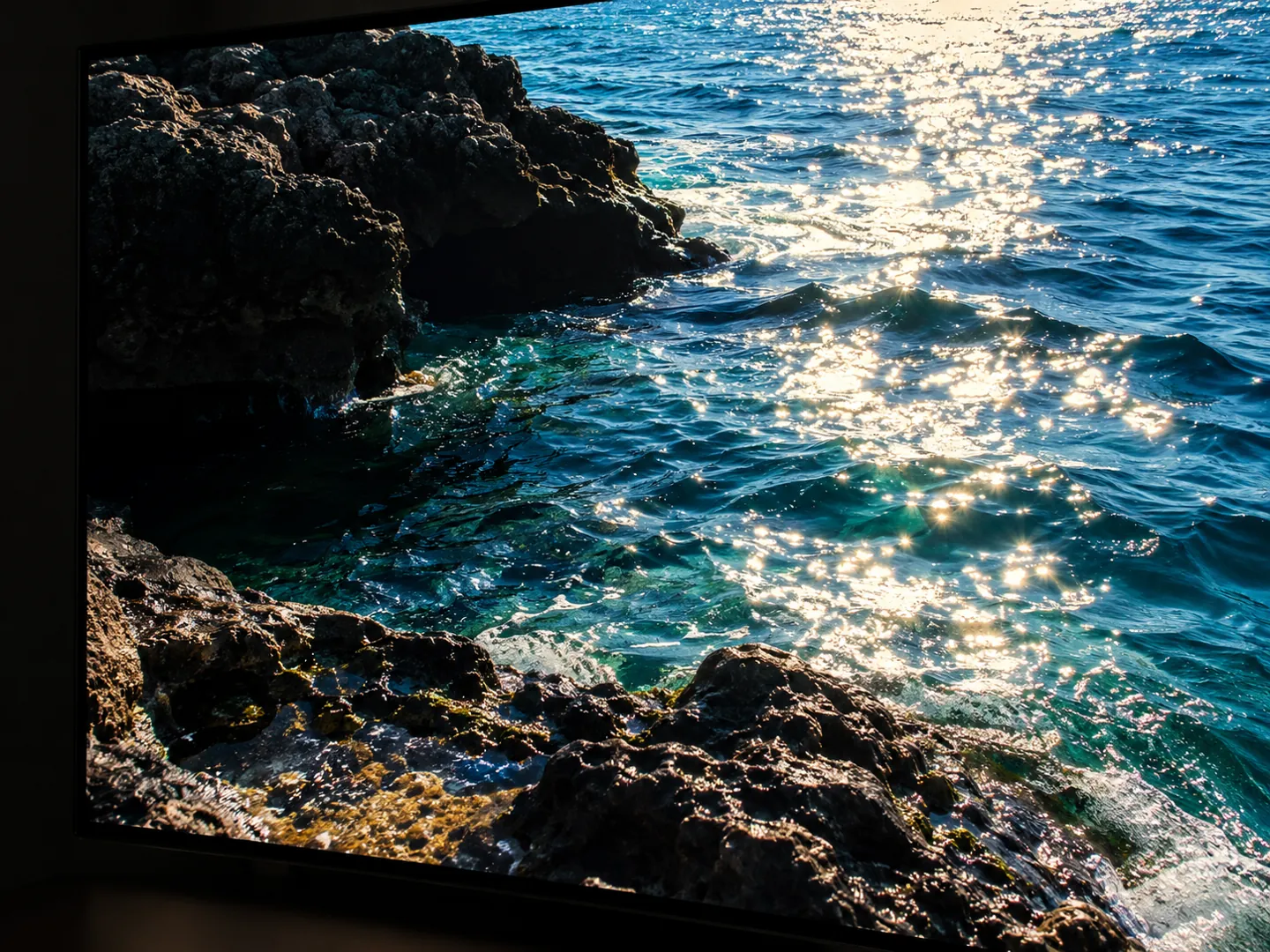
PQ is display-referred: the signal says exactly how bright each pixel should be in nits, HLG is scene-referred, like conventional television: it records relative light levels in the scene, and needs no metadata describing the mastering display.
BBC R&D says it chose that design because metadata often gets lost or out of sync in a live broadcast chain. HLG also has native compatibility with standard dynamic range UHD displays and works with existing 10-bit infrastructure.
Questions
High dynamic range. It uses the capability of modern displays to show pictures in high contrast, with bright highlights and specular reflections plus extra detail in shadows, according to BBC R&D.
A nit is one candela per square metre, the unit for absolute brightness on a screen. PQ is currently the only absolute video signal in widespread use.
No. BBC R&D says HLG is a relative system not aimed at any particular brightness; 1000 cd/m² is simply a typical capability of professional HDR monitors.
Recommendation ITU-R BT.2100, the international standard for HDR programme production and exchange. It defines PQ and HLG; the current version, BT.2100-3, was approved in February 2025.
Not exactly. Displays and rooms differ, so pictures are adapted. HLG can be graded on one monitor brightness and shown on a brighter or dimmer one with essentially the same perceptual look.
Destination
Updated
ABOUT THIS NAME
highdefreview.com is part of the DoodleSale portfolio. It isn't in an auction right now, but you can ask about leasing it.